Both Alexia Clorinda1 and Ariella Azoulay2 talk about the creation of an image (involving another human being) being a process which requires the interaction of both the photographer and the photographed.
On reflection, and looking through my archives I can see the truth in this. I can remember the event and interaction very clearly of the images that stand out. Whether this can been seen or interpreted by a third-party, I don’t know, but for me there is another dimension to these images which sets them apart from the others. Somehow the social interaction that has taken place transcends the physical and is implanted into the cellular or digital.
Moving forward my intention is to make my photography more interactive and social. It is to all too easy to view each exercise or assignment as part of a tick list. I need to interact more with my subject, practice the art of communication and encourage the participation in the act of recording/photographing. In short it needs to be a two-way experience.
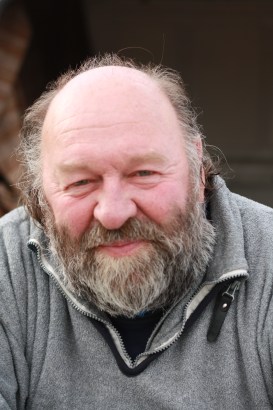
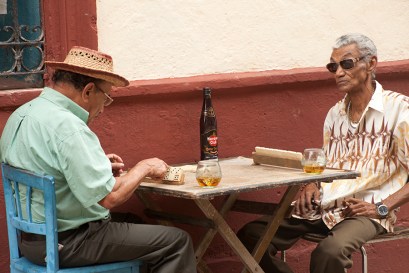
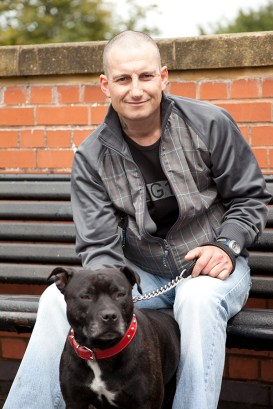
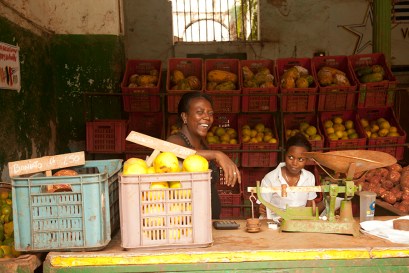
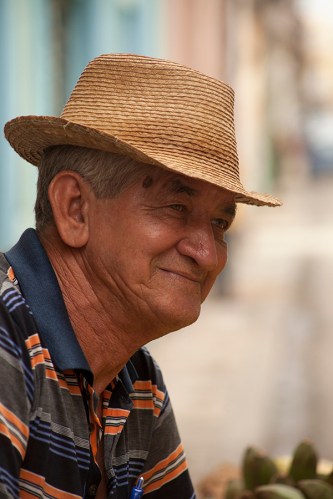
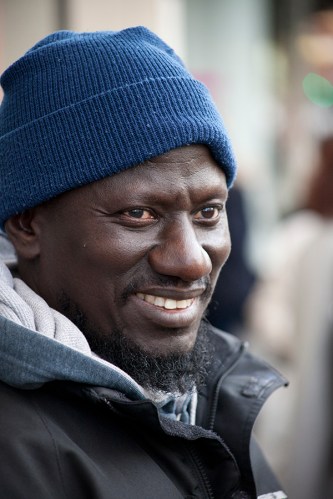
All of the people below were total strangers that I struck up conversations with or engaged in some way with a view to getting a photograph. Although some of them are making direct eye to camera contact, not all of them are. Yet there is a bond or link with them, a sense of intimacy which is the key element common to them all.
In my experience, it seems to me that the mere act of striking up a conversation breaks down the first and biggest barrier and thus creates an initial degree of empathy. With such chance meetings, which both know will be over in a comparatively short time, the empathy seems to grow exponentially and makes for great portraits.
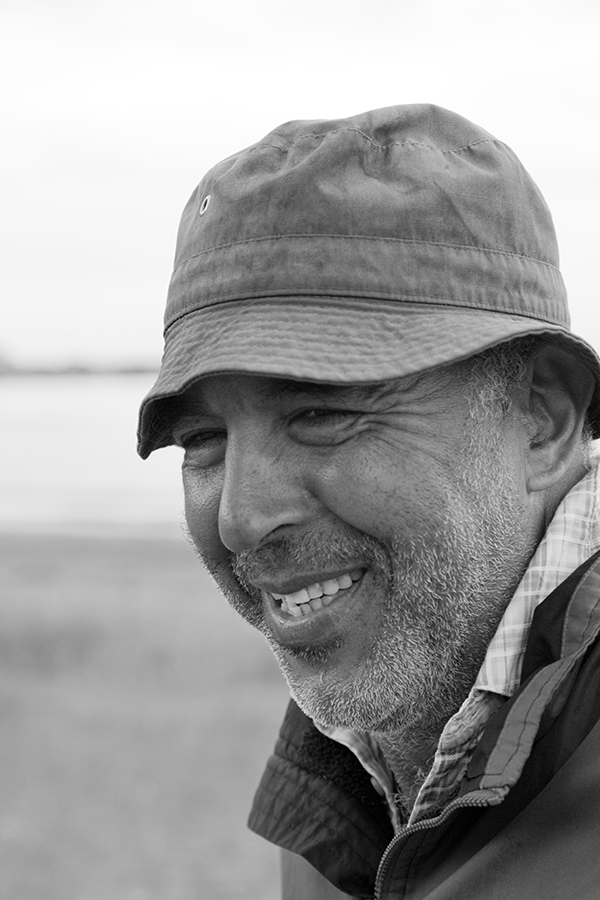
This final shot was of a street artist inking caricatures on the sea front at Minehead. I was initially struck by his white stubble set against his tanned Egyptian face and really wanted to capture it in colour. I struck up a conversation with him during a quiet time, and was surprised how quickly we moved onto quite serious subjects. Eventually I told him that i’d like to photograph him and why. He smiled, flashing his white teeth, and I got off three to four shots. This was the best of them. Ever since taking it, it has captivated me. His face is so enigmatic, I can stare at it for five minutes, and the expression continues to change. It starts as an easy smile but then changes to what looks like a forced, uneasy, guarded smile. Then I look specifically at his eyes, that is where you read the truth about somebody, but they change too while you look at them. When they start to look uneasy and then even reflective (memory recall), I always feel a sense of sadness. I always recall this image with a strong sense of fondness for ‘The smiling Egyptian’. This is my Mona Lisa, and it never disappoints.
Reference:
- Alexia Clorinda. – Bloomfield. R/In conversation with Alexia Clorinda
- Ariella Azoulay – Azoulay. A/2015/The Civil Imagination/Verso Books
 I see!